Some Thoughts

Showing posts with label hindu rituals. Show all posts

Monday, December 12, 2011

Radha


നമ്മള്‍ കേരളീയര്‍ മാത്രമേ കൃഷ്ണനെ രാധയില്‍ നിന്നും അകറ്റി ക്ഷേത്രത്തില്‍ പ്രതിഷ്ടിചിട്ടുല്ല്....ബാക്കി എല്ലാവരും രാധേ ശ്യാം അല്ലെങ്കില്‍ രാധേ കൃഷ്ണ എന്നെ പറയാറുള്ളൂ..തിരുവനന്തപുരം അഭേടനണ്ടാസ്രമത്തില്‍ മാത്രമേ കൃഷ്ണന്റെ അഭിമുഖമായി നില്‍ക്കുന്ന രാധയെ ഞാന്‍ കണ്ടിട്ടുള്ളൂ. ചെറിയ ഉണ്ണികൃഷ്ണനും വലിയ രാധയും. രാധയ്ക്കും പൂജ ഉണ്ട്. രാധക്ക് സാരി ഉടുപ്പിക്കുന്ന ഒരു ചടങ്ങും ഉണ്ട്....വയസ്സായ ഒരു സന്യാസിനി അമ്മയാണ് അത് ചെയ്യുന്നത്..നിവര്‍ന്നു നില്ക്കാന്‍ മേള, ഒരുപാടു വയസ്സായി, കൂണും ഉണ്ട്..അമ്മയെക്കാള്‍ വലുപ്പമുള്ള രാധ..സരികളെല്ലാം ഓരോരുത്തര കൊണ്ടുവരും..ഓരോന്നും ഉടുപ്പിച്ചു നിര്‍ത്തി ഒരു ദിവസത്തെ പൂജ കഴിഞ്ഞു സാരി തിരിച്ചു കൊടുക്കുമം..curtain ഇട്ടു മറച്ചു അമ്മ രാധയുടെ സാരി മറ്റും..സ്വന്തം ശരീരത്തില്‍ പോലും നേരെ ഉടുക്കാന്‍ അറിയാത്ത ആ അമ്മ രാധയെ ദിവസവും ഒരുക്കുന്നത് കണ്ടാല്‍ എത്ര വലിയ Bridal make up cheyyunna beauticianum അതിശയിക്കും....സാരിക്ക് മാച്ച് ചെയ്യുന്ന ആഭരണങ്ങളും ഒക്കെ ധാരാളം ഉണ്ട് രാധക്ക്....എന്നും സന്ധ്യക്ക് ദീപാരാധന ആകുമ്പോഴേക്കും കണ്ണന്റെ കണ്ണിനു കുളിരെകാന്‍ ഈ രാധ ഒരുങ്ങി നില്‍ക്കും. കൃഷ്ണന്റെ ദീപാരാധന തൊഴുതു നേരെ തിരിഞ്ഞു നിന്നാല്‍ രാധയുടെതും തൊഴാം....
ഈ ആശ്രമത്തില്‍ വര്‍ഷങ്ങളായി അഖണ്ട നാമജപം നടക്കുന്നുണ്ട്..നമുക്കും അതില്‍ പങ്കു ചേരാം. ഒരാള്‍ നിര്‍ത്തുമ്പോള്‍ മറ്റൊരാള്‍ തുടങ്ങും....കേരളത്തില്‍ രാധയെ പൂജിക്കുന്ന വേറെ ഏതെന്കിലും ക്ഷേത്രം ഉണ്ടോ?

Saturday, September 10, 2011

The forgotten Bharatheeya samskaram


There was an old custom which my amma & ammoomma followed, but I somehow didn’t. There was a particular day, don’t remember which, when they prepared food for rats and ants. Rice was fried along with coconut scrapings and jiggery was added to it. This mixture was put on vazhaila pieces and kept in all corners of the house. This was done at sandhya and kept till next morning. A small thiri dipped in oil and lighted from the ‘Nilavilakku’ was kept in each leaf. We children were very excited in doing this. Ammoomma said it was for the rats & ants. If they were fed once a year like this, they won’t trouble us.
From such a Bharatheeya samskaram where we reached now….We have different “Hits’ to kill each insect….

Tuesday, August 16, 2011

Kerala Hindu New Year


Tomorrow, August 17th is Chingam 1st, the New Year of Kerala Hindus. The last month of the year Karkkidakam is usually considered a dull month with the heavy rains that disturb the daily activities. Ramayan is read daily throughout Karkkidakam in all Hindu homes to ward off all ill effects of the season and bring in prosperity.

The arrival of Chingam itself is celebrated. As the rains have washed away all impurities, Kerala wakes up to a fresh New Year of celebrations and festivals. Flowers bloom all over and everyone gets a festive feeling. The most important festival Onam is approaching and the whole state of Kerala gets ready to celebrate.

The New Year is celebrated by Hindus by worshiping in temples. It is auspicious to start the year by going to temples. A vegetarian feast ‘sadya’ is made with ‘payasam’ as sweet. Chingam is a month of celebrations. Ashtamirohini, birth of Krishna, Onam, the 10 day long celebration, and Vinayaka Chaturthi falls on this month. Onam is the most important festival of Kerala Hindus, as it was on Thiruvonam day that MahaVishnu’s Vamana Avatar took place.

The elder generation predict how the year will be for the family, by the arrival of the first person to the house on Chingam first. If the person is a happy, positive thinking pleasant one, the year is going to be prosperous. If it is a beggar or someone complaining, grumbling or a discontented person, the year ahead is not going to be pleasant for the family.

Ella Malayalikkum Nava Valsara aashamsakal....

Thursday, August 11, 2011

Vara Lakshmi puja


Lakshmi is mainly worshiped in 8 forms, the Ashtalakshmi. The eight manifestations of Goddess Mahalakshmi include Sri Aadhi lakshmi the Goddess of health, Sri Dhanya lakshmi the Goddess of food, Sri Dhairya lakshmi the Goddess of courage, Sri Gaja lakshmi the Goddess of luck, Sri Santhana Lakshmi the Goddess of children, Sri Dhana lakshmi the Goddess of wealth, Sri Vijaya lakshmi the Goddess of victory and Sri Vidya lakshmi the Goddess of education.Varalakshmi vrutham is celebrated on August 12th Friday in South India. Women observe the vrutham and do Lakshmi puja for the welfare of the family.

Previous day the house is cleaned and preparations for the puja is done. Waking up in the Brahma Muhoortham, taking bath, with a 'kolam' in front, they keep the Kalash. A bronze or silver pot is selected and is cleaned thoroughly and a swastika symbol is drawn and is smeared with sandalwood paste. The kalasham pot is filled with raw rice or water, coins, a single whole lime, five different kinds of leaves, and beetle nut. The items used to fill the kalasham vary from region to region and includes turmeric, comb, mirror, small black bangles and black beads. The things a sumangali use as adornment are used.
The kalasham up to the neck is sometimes covered with a cloth and mango leaves are placed on the mouth of the kalasham. Finally, a coconut smeared with turmeric is used to close the mouth of the kalasham. To this coconut, an image of Goddess Lakshmi is fixed or the image of Lakshmi is drawn using turmeric powder. Now the kalasham symbolically represents Goddess Lakshmi. Kalasham is kept on a plate of rice.
Lord Ganesha is worshipped first and Aarti is done singing Lakshmi stotrams. Various sweets are offered and then distributed as 'prasadam'. The next day, that is on Saturday, after taking a bath the kalasham is dismantled and the water in the kalasham is sprinkled in the house.
VaraLakshmi is the boon granting Goddess Lakshmi..She is worshiped by all Hindus for prosperity.

Wednesday, August 3, 2011

Bangles


Bangles are traditional ornaments worn by a girl as an adornment. As in Kerala Hindu tradition a child is worn gold and glass bangles on its naming ceremony on the 28th day of the child’s birth. The glass black bangles are meant to ward off negative forces that may harm a baby. Black glass bangles are worn to both boy and girl till their first birthday. Bangles are a compulsory item of the girl’s adornment.

Bangles are part of traditional Indian jewelry. A bridal jewelry is not complete without gold bangles on both hands. In Kerala it is not a tradition to wear glass bangles during wedding. In all other parts of India it is compulsory that the bride wears green or red glass bangles.

Bangles are very important among the “Mangalya” articles of every young and married woman. A widow is not expected to wear bangles. In some regions the woman’s bangles are broken or removed when her husband dies.

During every festival, Hindu women buy new bangles as a custom. It is considered auspicious to gift bangles to married woman. During Makar sankranthi women gift bangles to each other. During the ceremony conducted on a girl’s first pregnancy, the girl is worn bangles by friends and relatives. The customs and rituals have slight changes in each state, but the importance of bangles is significant everywhere. It is a mark of a “Suhagin” or “Sumangali.”

Monday, July 18, 2011

Karkkidaka vavu bali


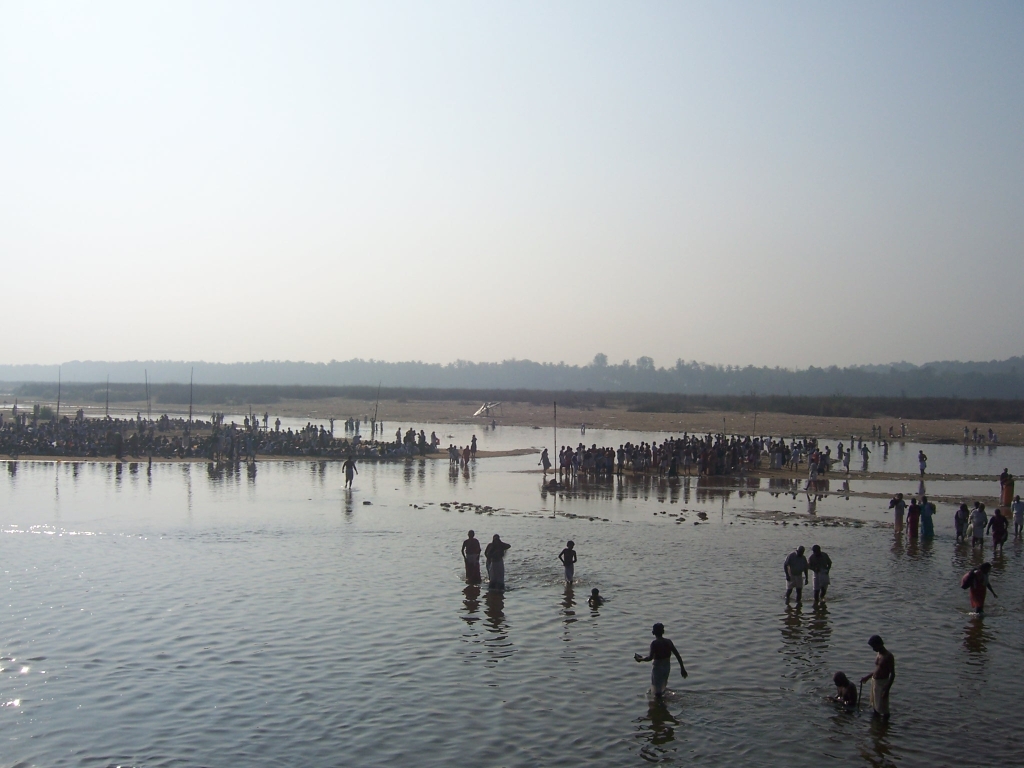
Bali tharpanam at Thirunavaya.

Every Malayali Hindu family observe the Karkkidaka Vavu. This year, 2011 it falls on the 30th of July. Pithru tharpanam is the most noble ritual all Hindus must do. It is the remembrance of one’s ancestors. One should observe the bali to the past 7 generations of his family.

Yearly Pithru bali for each of the deceased family members is observed without fail, by their children, in our family. The rituals have slight changes in different regions, but we follow what our ancestors did.

Karkkidaka vavu falls on the New moon day of Karkkidakam, the first Amavasi of Dakshinayanam. Hindus believe that paying respect to Pithru devatas during this time is a noble ritual.

We observe a semi-fasting on the previous day of Pithru tharpanam. We observe “Orikkal”, which means having “annam” only once a day. For the people of Kerala, their “Annam” is rice. So we take a meal only once that day. We take food only after the bali tharpanam is over the next day.

Throughout Kerala, the river sides will be crowded with people. The rituals start and end with a dip in the river. Pithru tharpanam is done only wearing wet clothes. The dip in the river is to observe ‘shudham’, no one should touch each other after the bath, till the ‘bali’ is over. The rituals are done with the help of a Brahmin.

In the evening “ada” a sweet rice preparation is made on plantain leaves and offered to God. Though I don’t know the significance of it, we still follow the ritual of making ‘ada’ compulsorily. Idli and vada and ada as prasadam is dinner menu after the karkkidaka bali tharpanam.

Eating certain foods, or not eating certain foods on auspicious days is a custom in our family, still followed by many of the elder generation. We hope the younger generation watch and follow the family heritage of religious rituals. Even though some feel they are superstitions, we elders have faith in them and we are sure they too adopt the values of life taught through the rituals if not now, but at some time in their life.